Editorial layout notes from a design sprint
A sprint log on shaping archive article layout so long-form writing feels intentional, scannable, and calm.
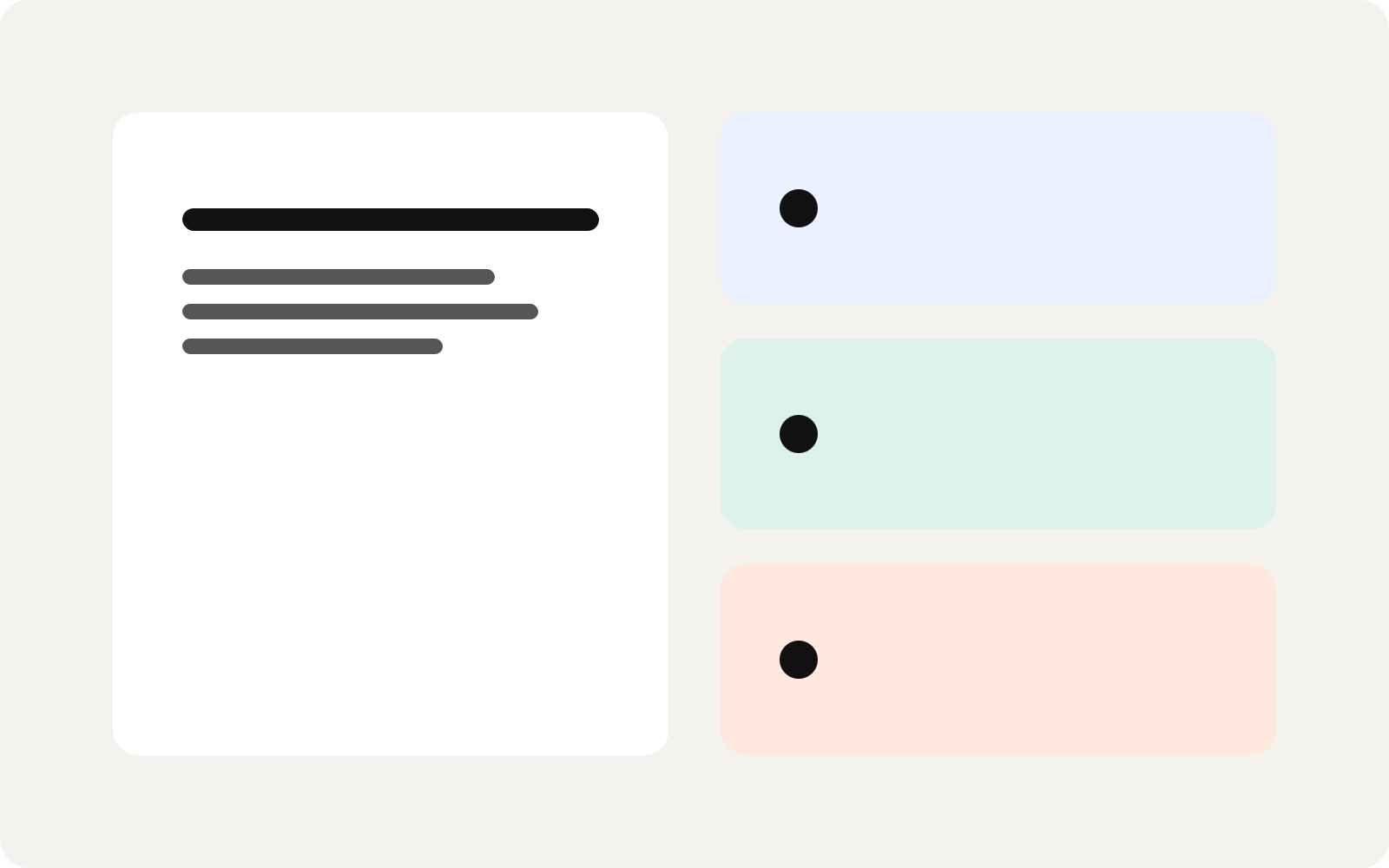
The design sprint started from a clear user complaint: archive entries were informative but did not feel fully editorial. Titles were heavy, section transitions were tight, and media placement felt tactical instead of narrative. The objective was to make long-form entries feel composed with intent while keeping the authoring workflow practical for weekly publishing.
Rather than redesigning everything at once, we focused on the structural levers that most influence reading comfort: heading hierarchy, vertical rhythm, and media cadence. That approach helped us improve perceived quality without introducing unnecessary visual complexity or breaking the underlying content architecture.
Our first review pass mapped where reader attention was being interrupted. We found abrupt shifts between metadata and headline content, inconsistent spacing around section boundaries, and image blocks that appeared visually disconnected from the argument they were meant to support. These were not dramatic defects, but together they made longer articles feel denser than intended.
After rhythm tuning, we tested a centered title model inspired by modern release pages. The key was balancing scale and weight: large enough to establish authority, light enough to avoid visual pressure. Combined with tighter line balancing and clearer max-width constraints, the headline system started to feel editorial rather than purely functional.
The final result was intentionally subtle. Readers spend less effort re-orienting between blocks, section breaks feel calmer, and long posts maintain momentum deeper into the page. None of these gains came from heavy visual effects; they came from disciplined hierarchy, consistent spacing tokens, and clearer narrative sequencing.
Reading rhythm
Vertical rhythm is the hidden structure of long-form reading. When section spacing is too compressed, readers lose the mental reset that helps them process a new idea. We widened inter-section gaps and normalized paragraph cadence so each topic transition feels deliberate, especially on medium-width viewports where crowding was most noticeable.
Tokenizing these spacing decisions was critical. Hardcoded values can produce short-term wins but degrade quickly as layouts evolve. By moving rhythm into shared semantic tokens, we preserved consistency across article types and ensured that future adjustments can be made globally with less risk.
Headline system
The revised headline system prioritizes optical clarity over raw weight. We shifted to a lighter display weight, increased scale thoughtfully, and constrained line length to reduce awkward wraps at tablet and desktop breakpoints. The headline now feels prominent without dominating surrounding context.
Metadata and dek alignment were also updated to support a single focal column. This small structural shift improves scanability because readers can decode date, topic, title, and premise without lateral eye movement. In practice, it makes the article entry moment feel both cleaner and more premium.
Media cadence
Media now appears as evidence, not decoration. Each image is positioned where it clarifies the current argument, and captions explain why the visual matters. This keeps the reading flow coherent and reduces the common problem where images feel detached from nearby paragraphs.
Consistent frame ratios and spacing around media blocks further improve comprehension. Readers quickly learn what to expect, which lowers cognitive load during long sessions. The page can still vary in tone and content depth, but the structural language stays stable and trustworthy.